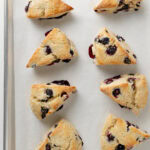
Gluten Free Blueberry Scones
These gluten-free blueberry scones offer a tender, light crumb, a delightful crunch from the sugar coating, and a burst of juicy berries in every bite.
Servings 8
Calories 310kcal
Ingredients
Gluten-Free Blueberry Scones
- 2 cups (272g) gluten-free flour (Bob's Red Mill 1:1 Baking Flour)
- ¼ cup (50g) granulated sugar
- 1 tablespoon baking powder
- ½ teaspoon salt
- 8 tablespoons (113g) frozen butter, grated or diced (see notes)
- ½ cup (120g) sour cream
- 4 tablespoons (60ml) heavy cream
- 1 large egg
- 1 teaspoon vanilla extract
- ¾ cup (140g) blueberries
Egg Wash
- 1 large egg
- ½ tablespoon heavy cream
Instructions
- Combine the dry ingredients. In a large bowl, whisk together the gluten-free flour, sugar, baking powder, and salt until combined. If you're using a food processor, pulse the ingredients a few times until they're fully blended.
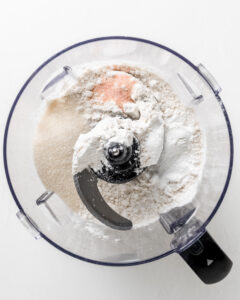
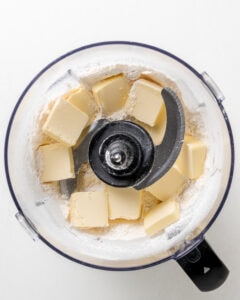
- Add the frozen butter. Grate the cold butter on a box grater, then add it to your flour mixture. Using a pastry blender or two forks, quickly cut the butter into the flour until it resembles coarse crumbs. If you're using a food processor, add diced frozen butter to the bowl and pulse until the mixture becomes coarse crumbs.
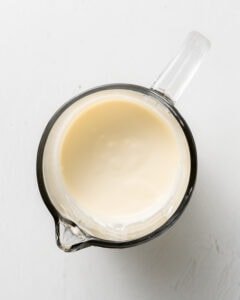
- Whisk the wet ingredients. In a separate bowl, whisk together the sour cream, one large egg, heavy cream, and vanilla extract until smooth and fully blended.
- Create a well in the center of the flour mixture. If you used a food processor, transfer the contents to a large bowl. Make a well in the center of the dry ingredients and pour in the sour cream mixture.
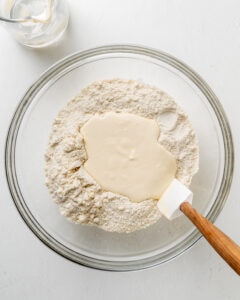
- Stir the wet and dry ingredients. Using a rubber spatula, gently fold the ingredients together until a shaggy, coarse dough forms. Don't worry if it seems loose with dry bits remaining at the bottom of the bowl—as long as the dough holds together when you pinch it, you're good to go. Be sure not to overmix it.
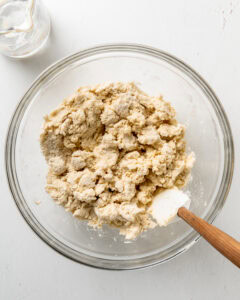
- Add the blueberries. Gently fold in the blueberries into the dough until they're evenly distributed. If using frozen blueberries, do not thaw them first.
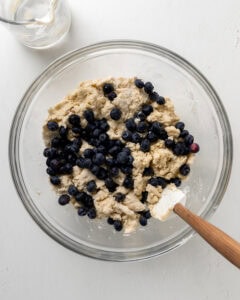
- Bring the dough together. Turn the dough onto a lightly floured surface. Using floured hands, gently knead it just until it comes together. Avoid overworking the dough, as this will make your scones tough.
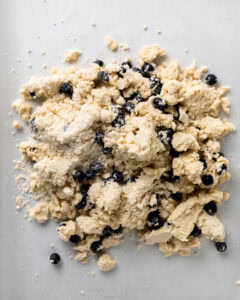
- Shape the dough. Gently pat the dough into a 7x5-inch rectangle. Using a bench scraper or a knife, slice the dough in half lengthwise. A bench scraper is my preferred tool, as it allows me to cleanly cut and lift the dough without overworking it.
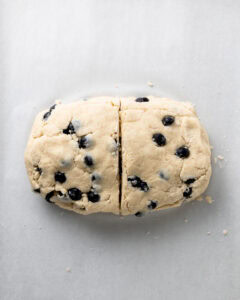
- Laminate the dough. Stack the two pieces on top of each other. Turn the stacked dough 90 degrees and gently press it back into a 7x5-inch rectangle. If the dough starts to feel sticky, lightly flour your hands or work surface.
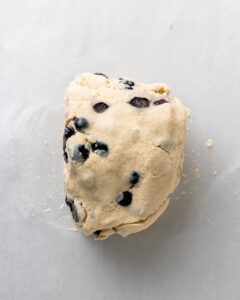
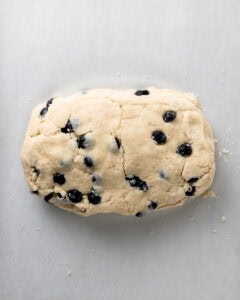
- Repeat lamination. Repeat the entire process of cutting, stacking, and rotating a total of three times, being careful not to squish the blueberries.
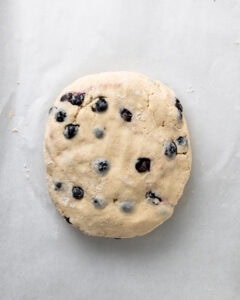
- Shape the dough into a disk and chill. Shape the dough into a 7-inch disk, about an inch thick. Be careful not to make it thinner than ¾ inch, or your scones may turn out flat. Wrap the disk tightly in plastic wrap and chill it in the fridge for at least 30 minutes. This step is essential because it allows the gluten-free flour to fully absorb the liquid, ensuring a smooth, less gritty texture in the final scones.
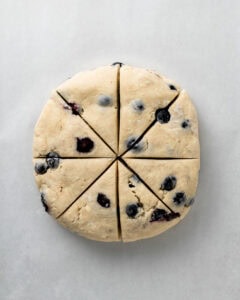
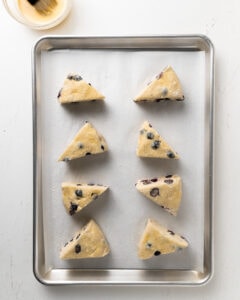
- Cut the scones. After the dough has chilled, take it out of the refrigerator. Using a sharp knife or bench scraper, slice the disk into eight triangular wedges. For the cleanest cut and best rise, make sure to press straight down through the dough without twisting. You can also wipe the knife clean after each slice.Freeze the scones and preheat the oven. Arrange the cut scone wedges on a parchment-lined baking sheet, leaving a few inches of space between each. Place the baking sheet in the freezer for 30 minutes. While they're chilling, preheat your oven to 400°F. This final chill is the key to achieving a flaky, high-rising scone, as it ensures the butter stays very cold right before it hits the heat.
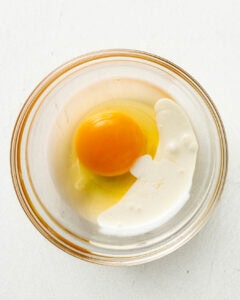
- Prepare the egg wash. Whisk one large egg and a splash of heavy cream together in a small bowl to create an egg wash. After the scones have chilled for at least 30 minutes, brush the tops of them with the egg wash. This will help them bake up with a beautiful, golden-brown finish.
- Add the egg wash and sugar. Once the scones are chilled, lightly brush the egg wash over the tops with a pastry brush. Take care to avoid any drips down the sides, which can hinder their rise. Finish by sprinkling the tops with granulated sugar.
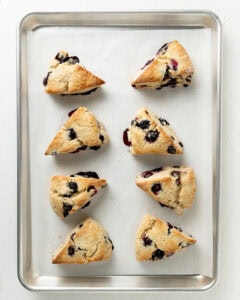
- Bake the scones. Place the baking sheet with the scones in the preheated oven and bake for 19-22 minutes, or until they are a deep golden brown. To check for doneness, you can insert a toothpick into the center, which should come out clean, or use an instant-read thermometer—it should read at least 200°F. Once baked, remove the scones from the oven and let them cool on a wire rack for at least 30 minutes before you serve them.
Notes
Frozen Butter: To achieve the flakiest texture, place the butter in the freezer for at least 20 minutes before you begin. Once frozen, you can either grate it into the flour mixture or dice it and pulse it in a food processor.
Nutrition
Calories: 310kcal | Carbohydrates: 32g | Protein: 5g | Fat: 19g | Saturated Fat: 11g | Polyunsaturated Fat: 1g | Monounsaturated Fat: 5g | Trans Fat: 0.5g | Cholesterol: 95mg | Sodium: 261mg | Potassium: 210mg | Fiber: 3g | Sugar: 9g | Vitamin A: 638IU | Vitamin C: 2mg | Calcium: 116mg | Iron: 1mg