
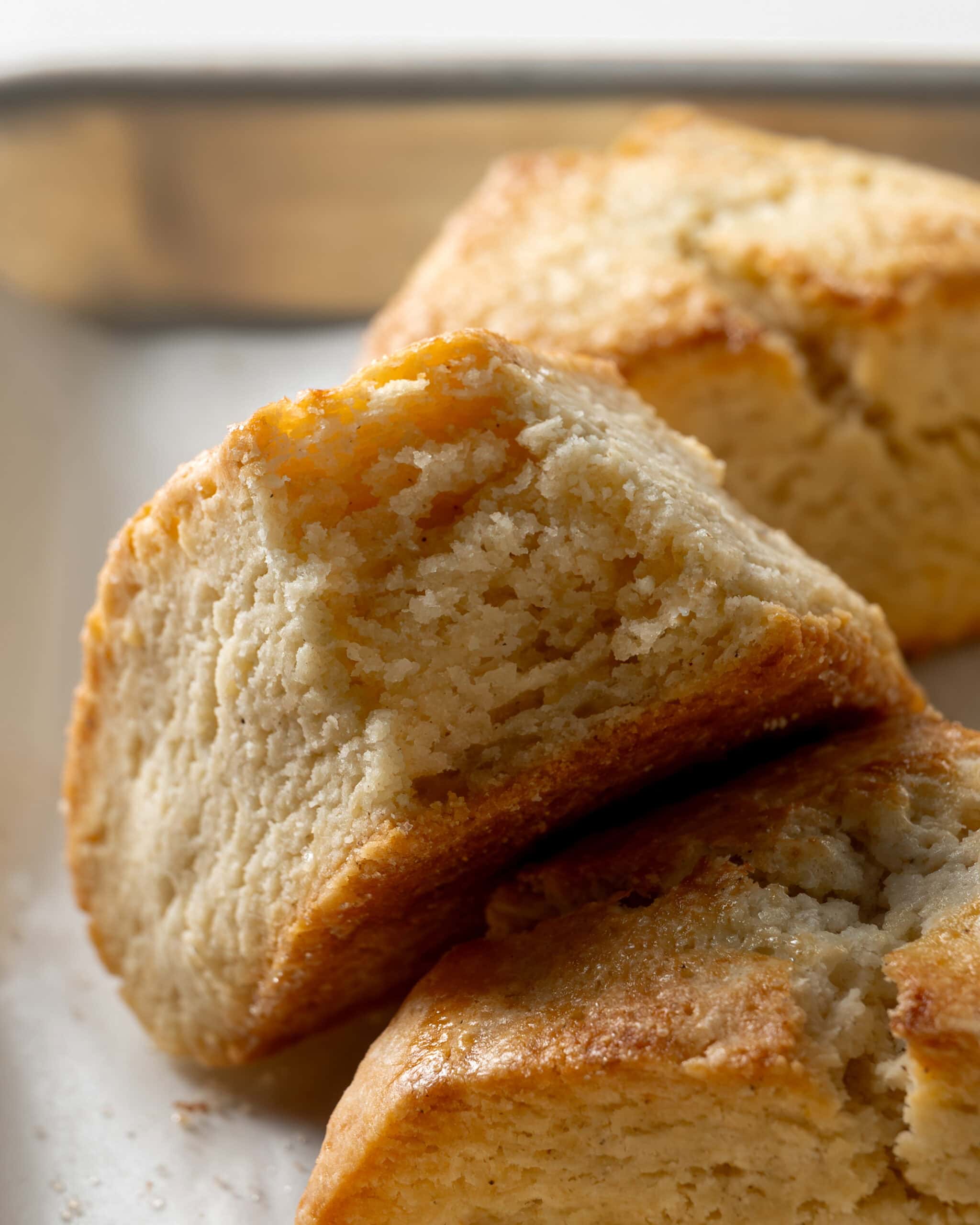
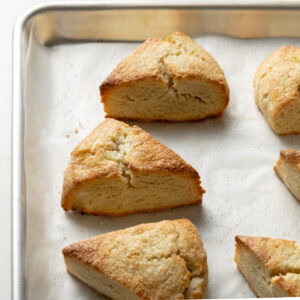
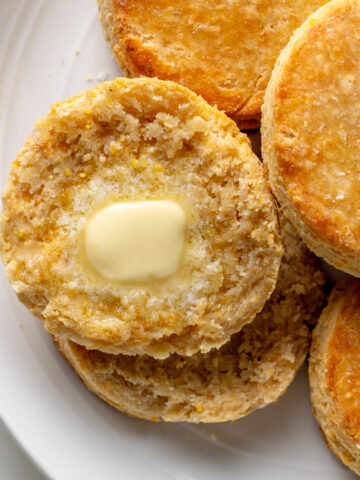
This master recipe is a total game-changer, delivering gluten-free scones with a rich, tender crumb and a perfectly crisp, golden exterior. Whether you enjoy them plain or loaded with mix-ins, they’re the perfect classic treat for your morning coffee, weekend brunch, or holiday tea.

Why You'll Love These Gluten-Free Scones
- The best flavor: While not traditional, the combination of sour cream and heavy cream adds a delightful tang, richness, and structure to these scones.
- Easy to customize: You can add any mix-ins of your choice, from chocolate chips to dried fruit, to create a treat that's perfect for any occasion.
- Lamination creates the best scone texture: The process of folding and turning the dough multiple times ensures that the butter is distributed evenly in dozens of thin layers, which is what creates flaky, tender scones.
Ingredients
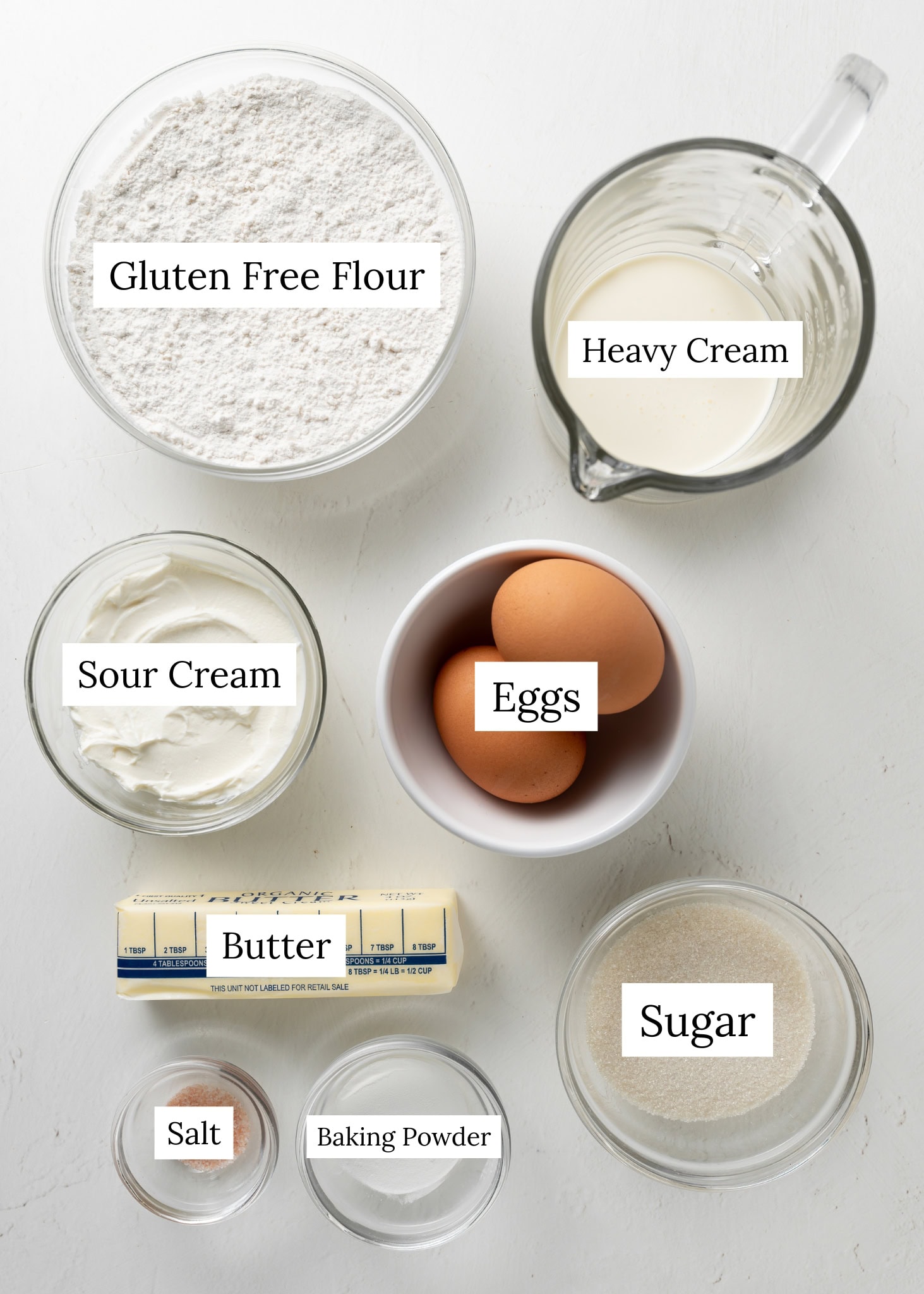
- Gluten-Free Flour: For a tender crumb and the best overall texture, choose a high-quality gluten-free flour blend with xanthan gum, like Bob’s Red Mill Gluten-Free 1 to 1 Baking Flour.
- Baking Powder: A generous tablespoon of baking powder is crucial. It acts as a powerful leavening agent, guaranteeing your scones will rise beautifully and achieve a light, airy crumb.
- Sour Cream & Heavy Cream: Adds a pleasant tang and richness to the scones. These ingredients also provide moisture and structure, helping the scones maintain their shape during baking.
- Frozen Grated Unsalted Butter: This is the most vital element for flaky, lofty scones. As the cold butter rapidly melts in the hot oven, it releases steam. This steam creates distinct air pockets, resulting in those desirable flaky layers and a wonderfully crisp exterior.
- Sugar: A quarter-cup of sugar is the perfect amount to balance the flavors, giving your scones a delicate sweetness.
Find the printable recipe card with full instructions and measurements below.
How To Make Gluten-Free Scones
Make The Gluten Free Scone Dough
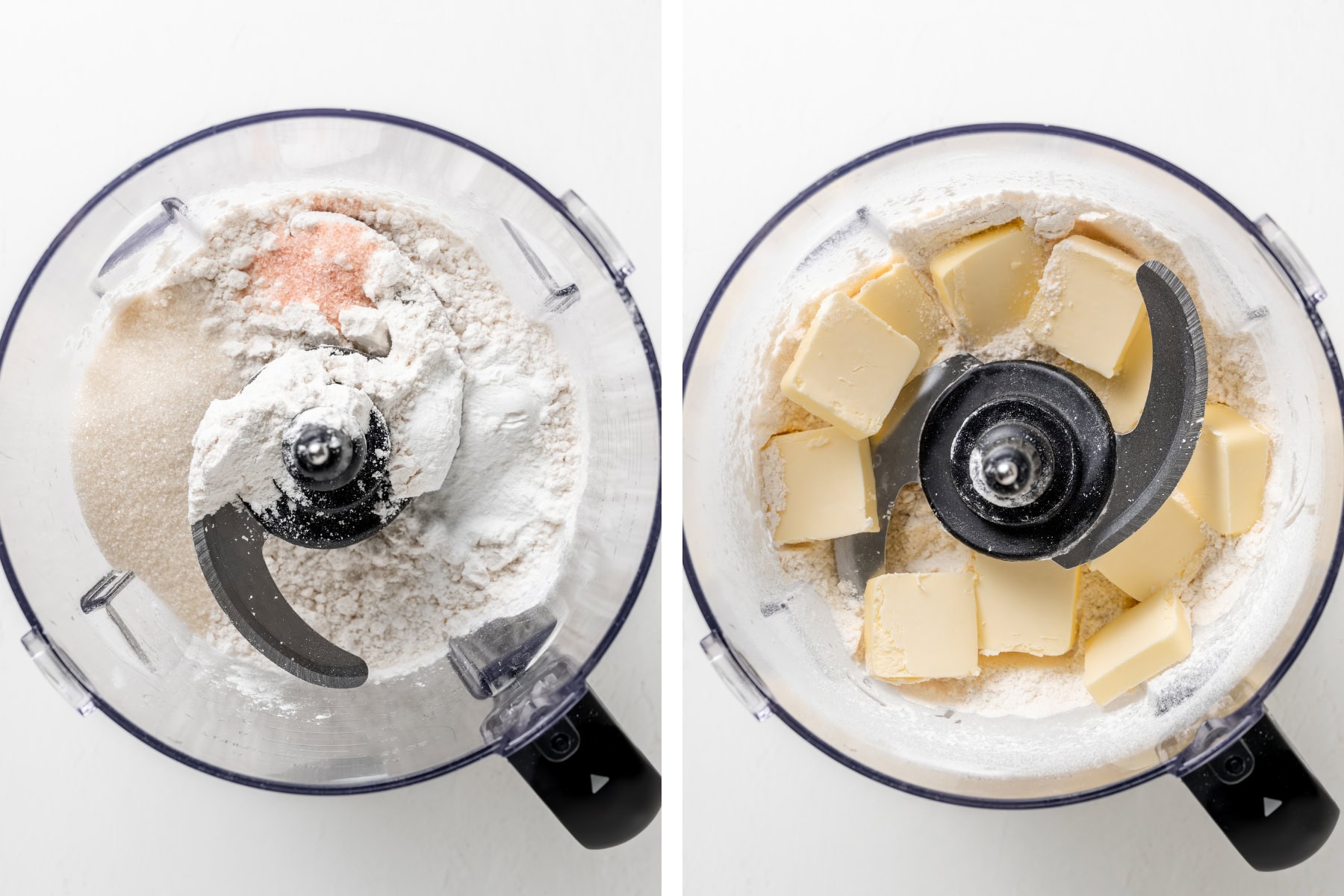
- Step 1: Combine the dry ingredients. Add the dry ingredients to a large bowl or a food processor. Whisk or pulse a few times to combine.
- Step 2: Add the frozen butter. Grate one stick of frozen butter into the flour mixture and quickly cut it in with a pastry blender or two forks until coarse crumbs form; or, if using a food processor, dice the frozen butter and pulse it until coarse crumbs form.
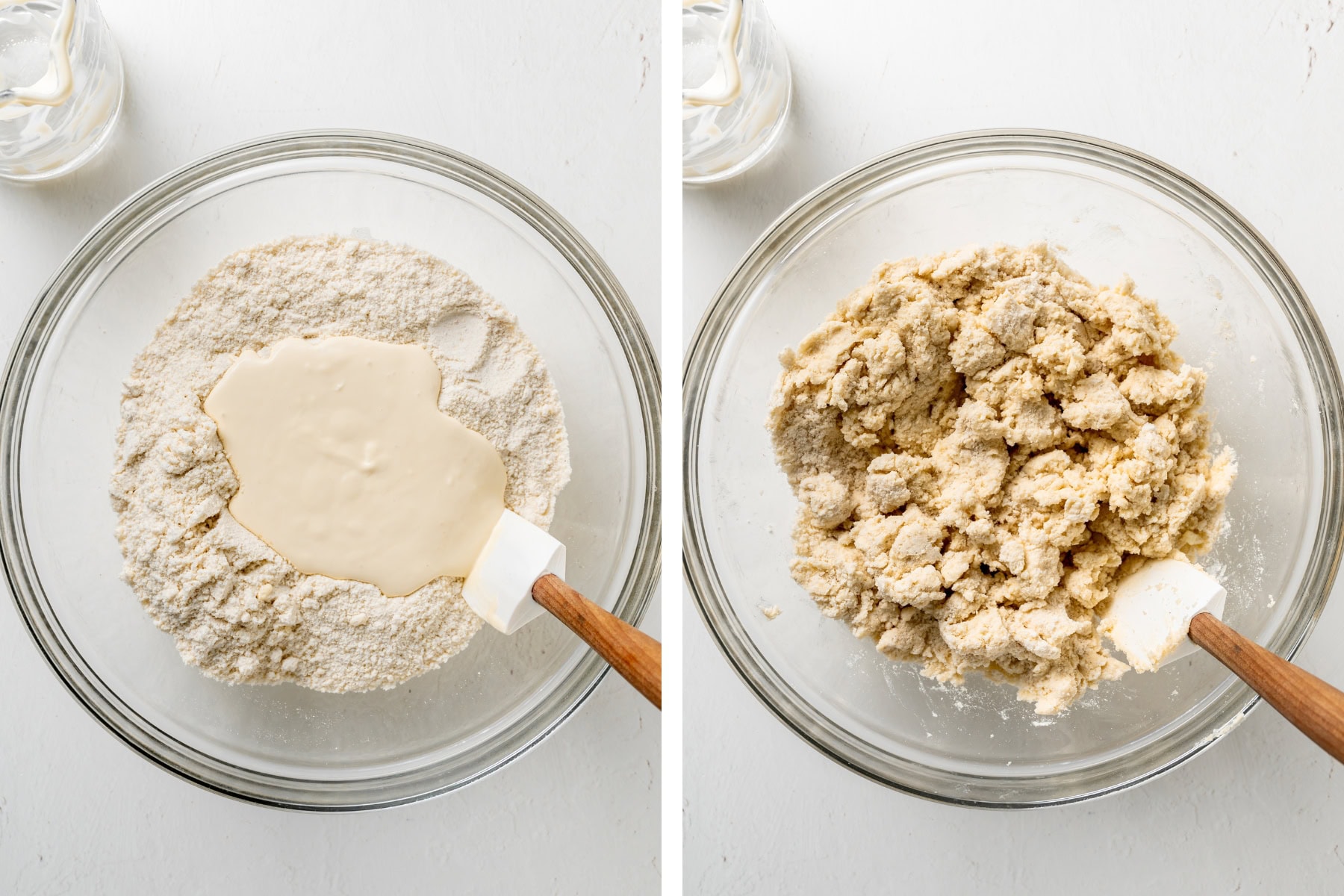
- Step 3: Combine the dry and wet ingredients. Pour the sour cream mixture into the flour and butter mixture.
- Step 4: Stir together. Using a rubber spatula, stir the dough until it just comes together. The finished dough will look crumbly and shaggy, but should hold together when you pinch a piece between your fingers.
Laminate The Gluten Free Scone Dough
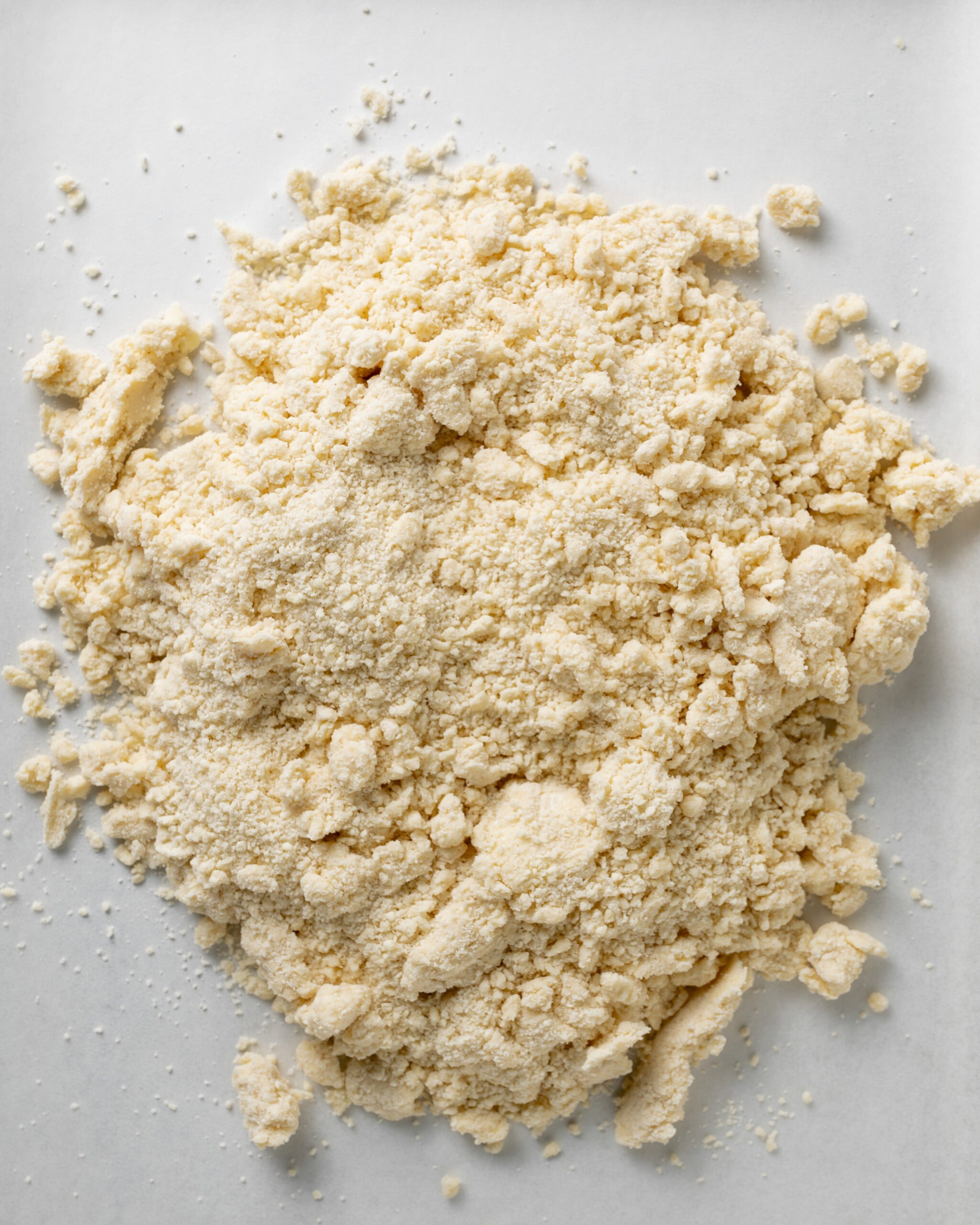
- Step 5: Turn out the dough. On a lightly floured surface using floured hands, gently knead the dough a few times until it comes together.
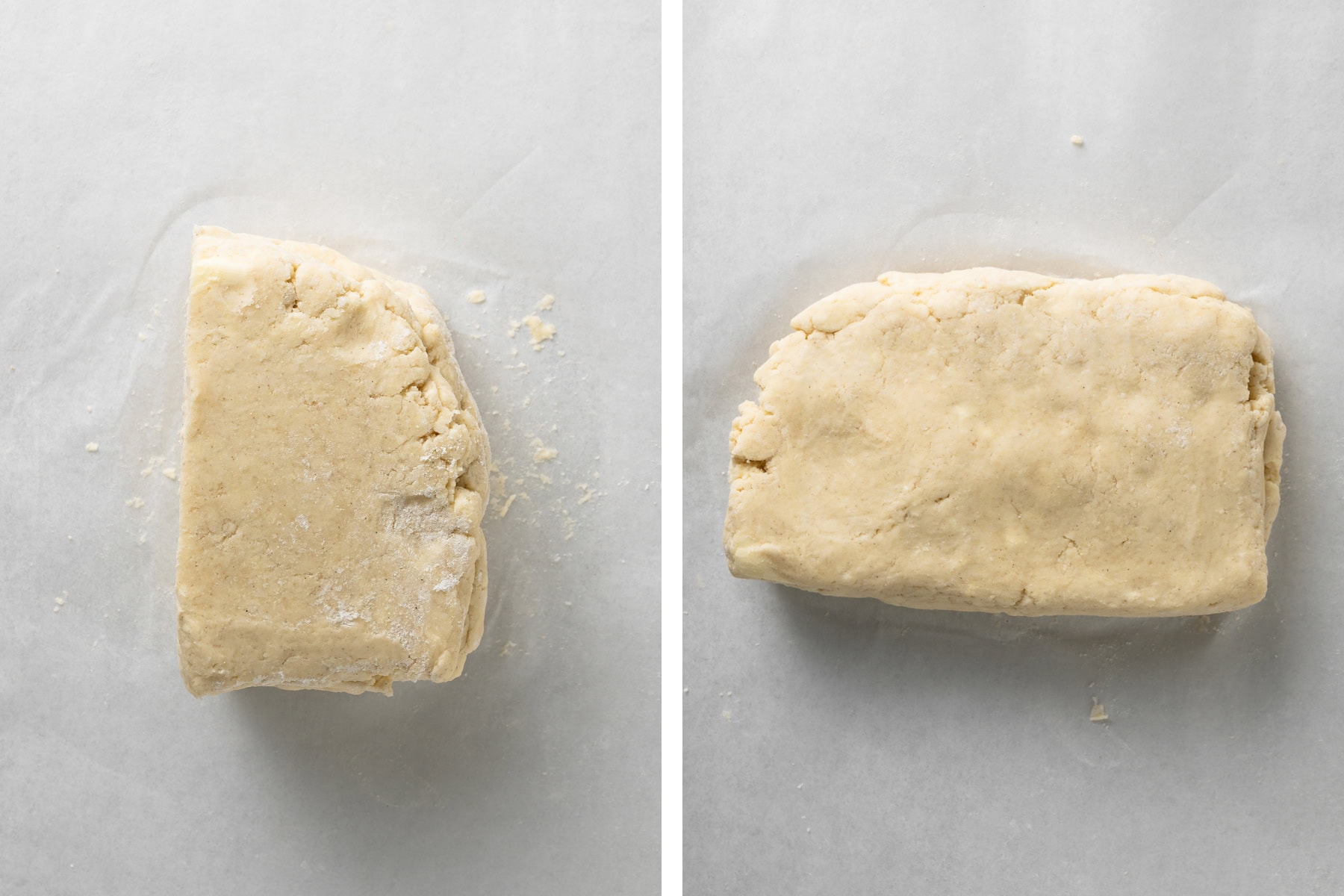
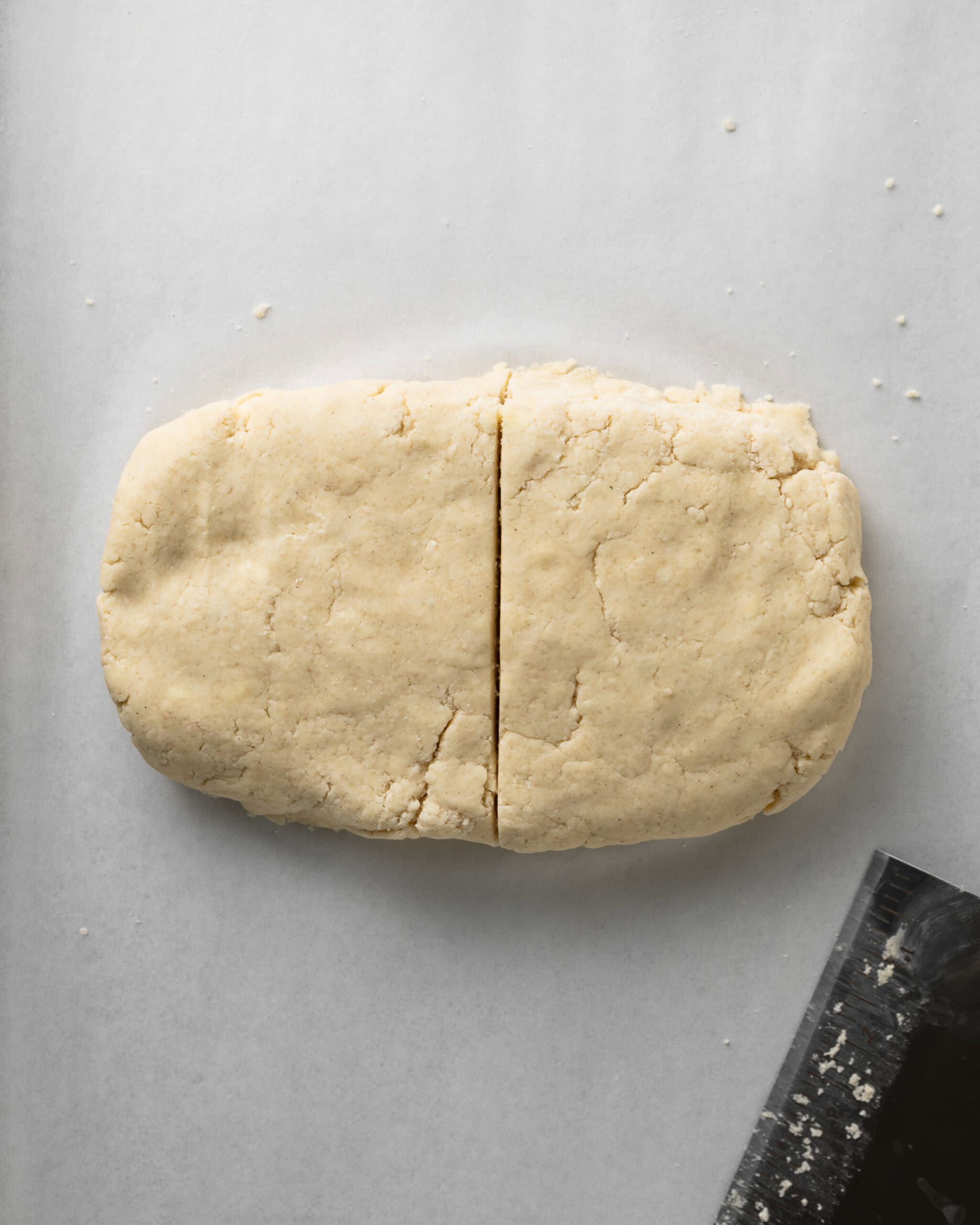
- Step 6: Shape and cut the dough. Pat the dough into a rectangle, about 7x5 inches. Using a knife or bench scraper, cut the rectangle in half vertically.
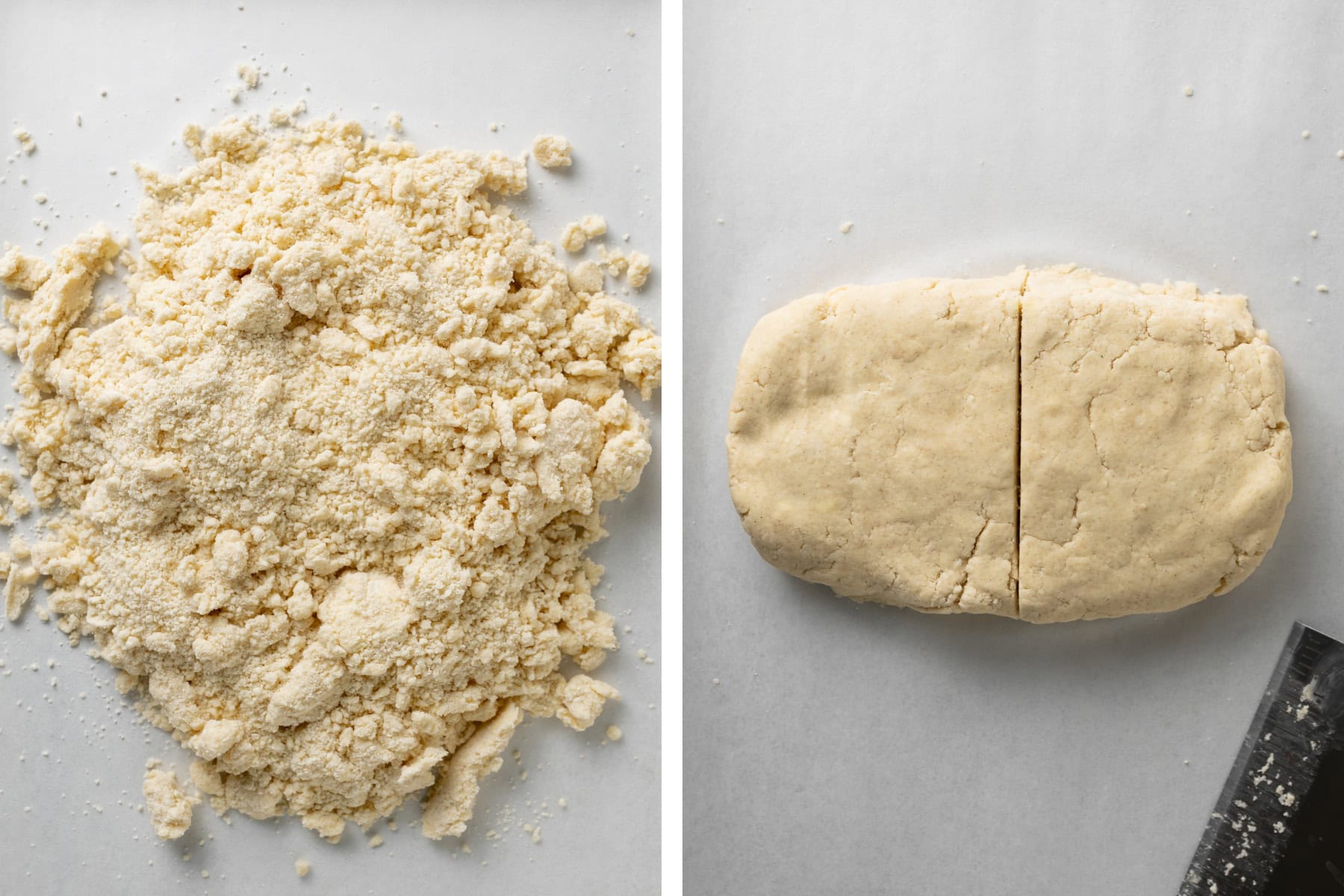
- Step 7: Stack the dough. Stack one half on top of the other. Gently press the dough down, then turn it 90 degrees.
- Step 8: Repeat the process. Continue cutting, stacking, pressing, and turning three more times (for a total of four repetitions).
Cut And Bake Gluten Free Scones
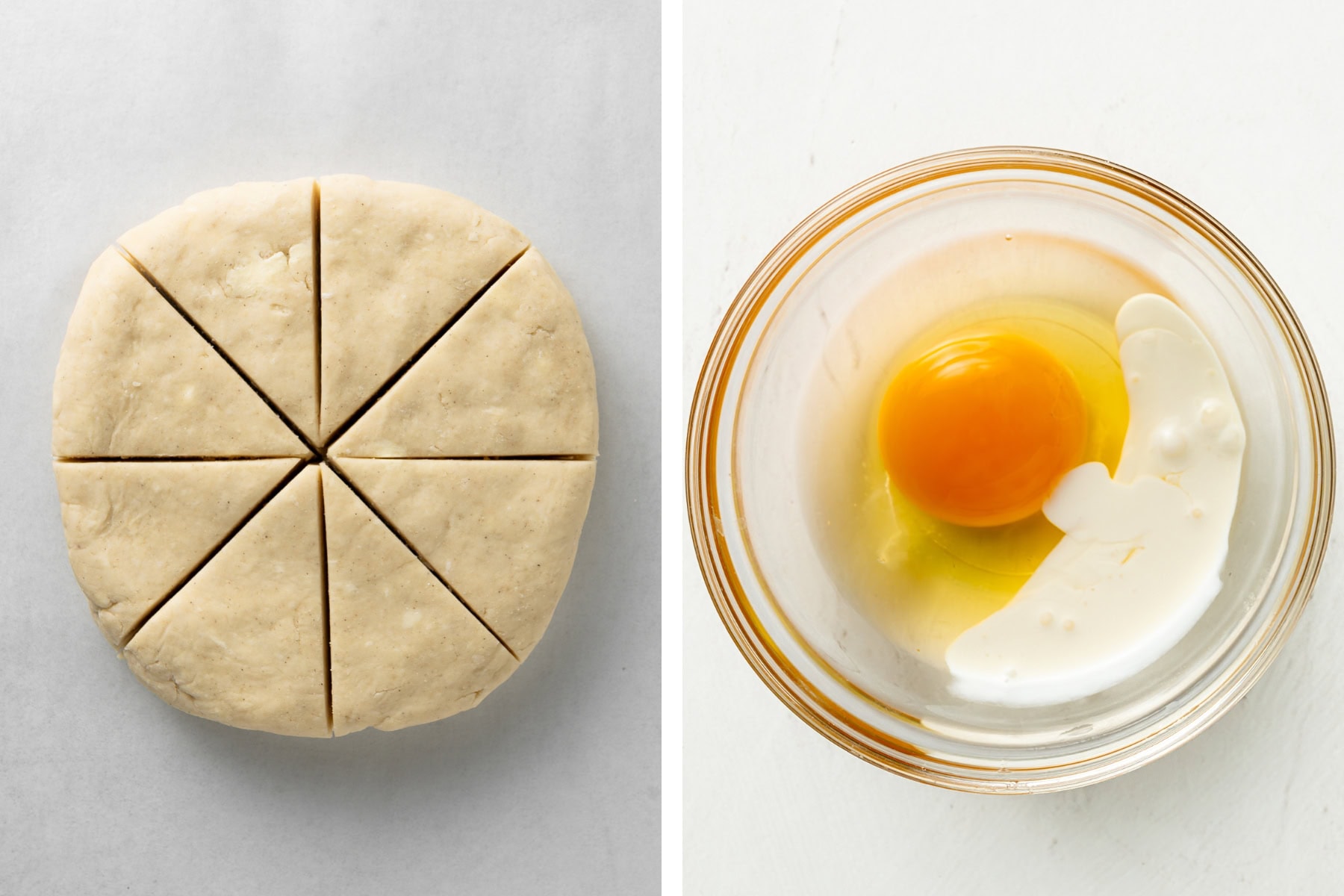
- Step 9: Chill the dough. Using your hands, shape the dough into a 7-inch disk that is about 1 inch thick. Wrap the disk in plastic wrap and refrigerate for 30 minutes. After chilling, cut the dough into 8 triangular wedges with a sharp knife. Place the wedges on a large baking sheet lined with parchment paper, spaced equally apart, and freeze for another 30 minutes.
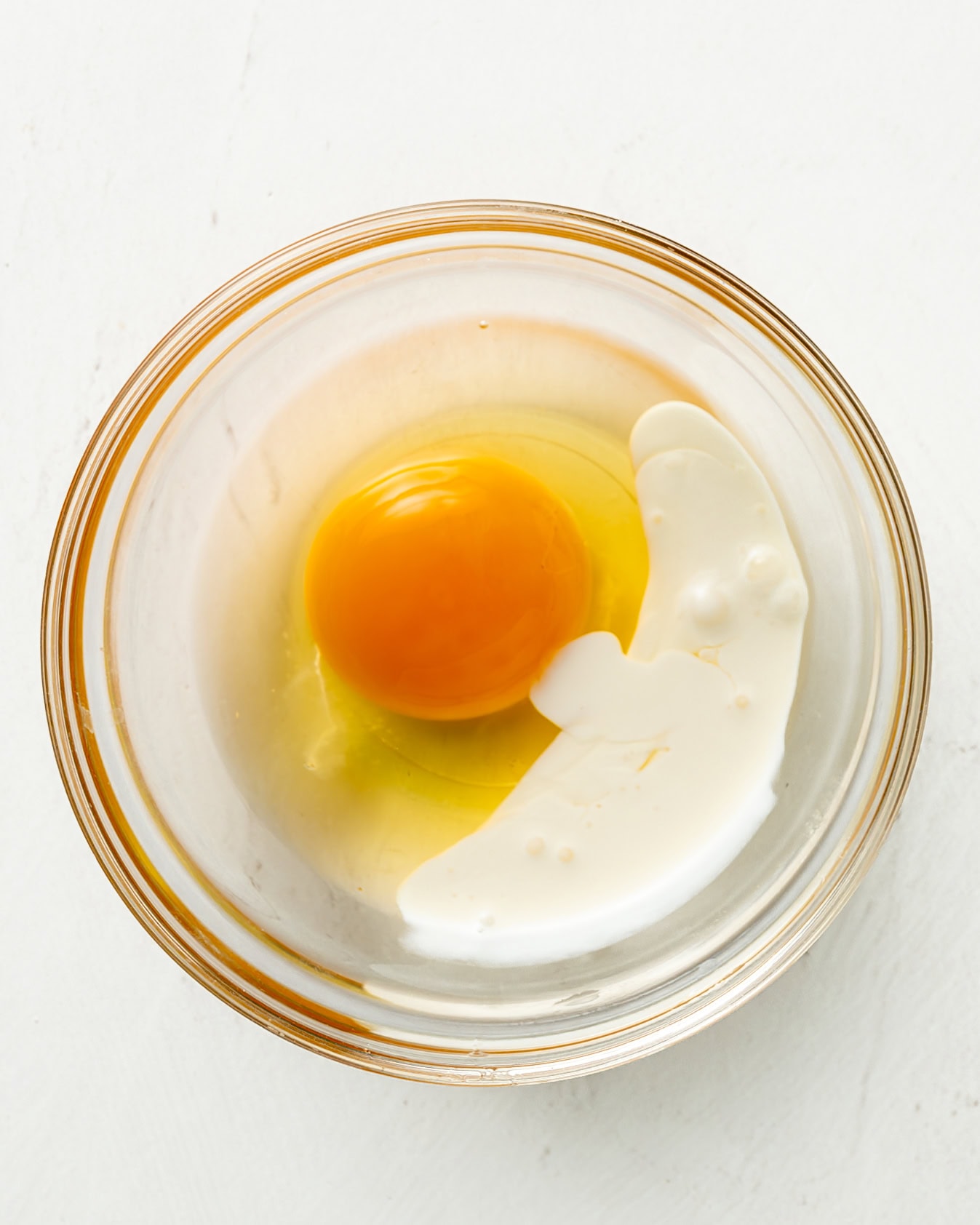
- Step 10: Prepare the egg wash. In a small, separate bowl, whisk together one large egg and a tablespoon of heavy cream. Brushing this over the scones before baking creates a rich, golden-brown crust and a beautiful finish.
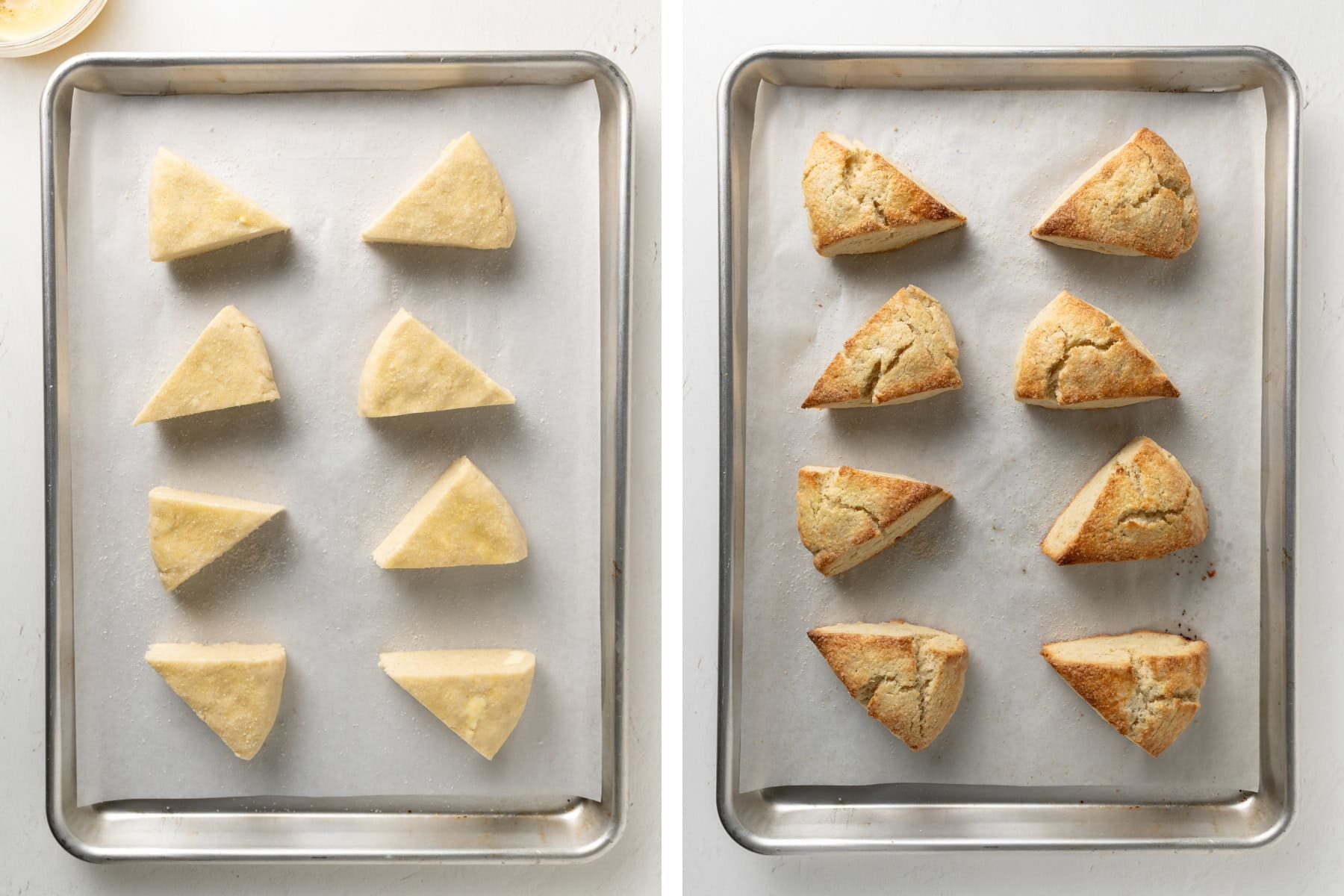
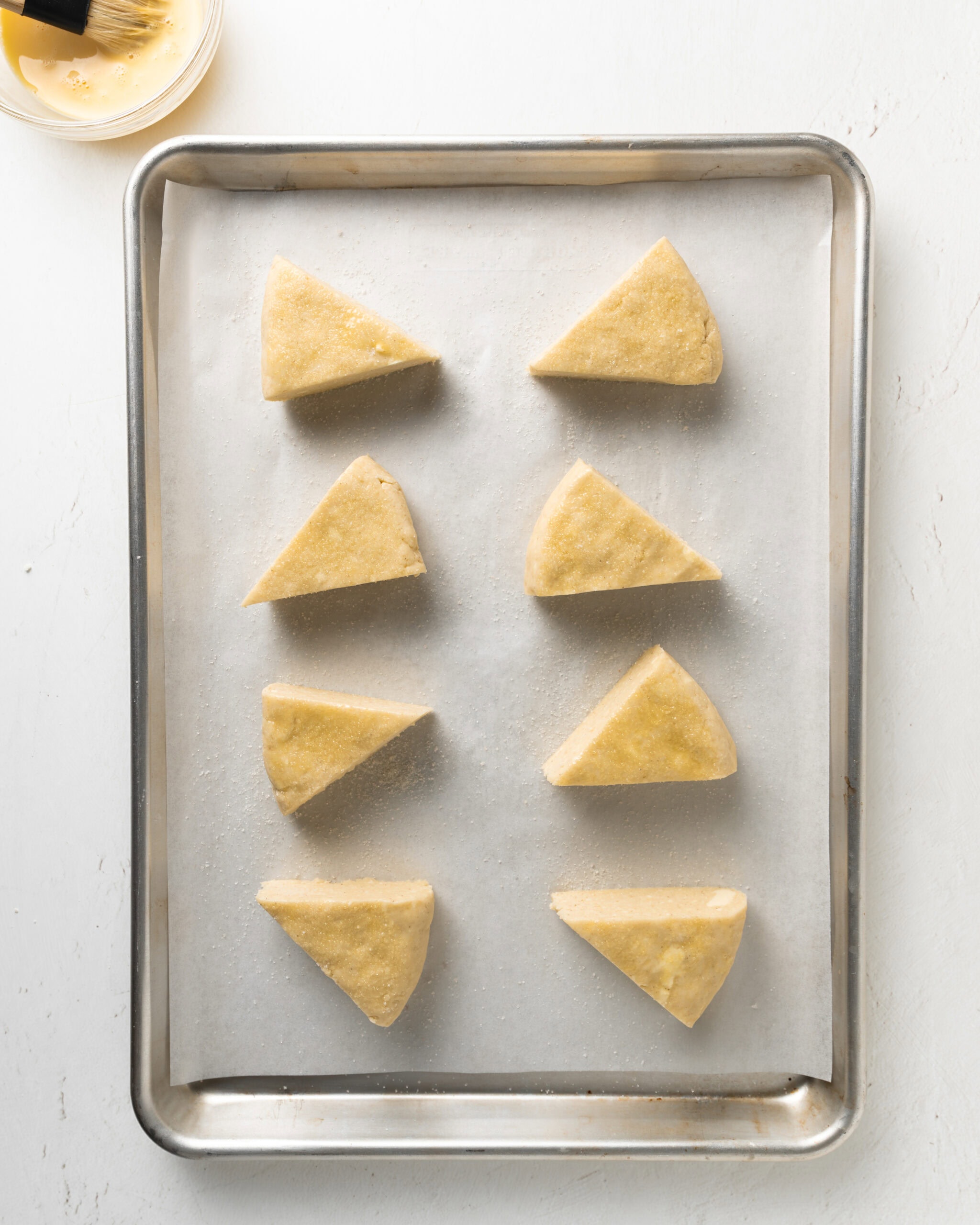
- Step 11: Apply the egg wash and sugar. Using a pastry brush, brush the tops of the scones with the egg wash. Then, sprinkle the tops with granulated sugar.
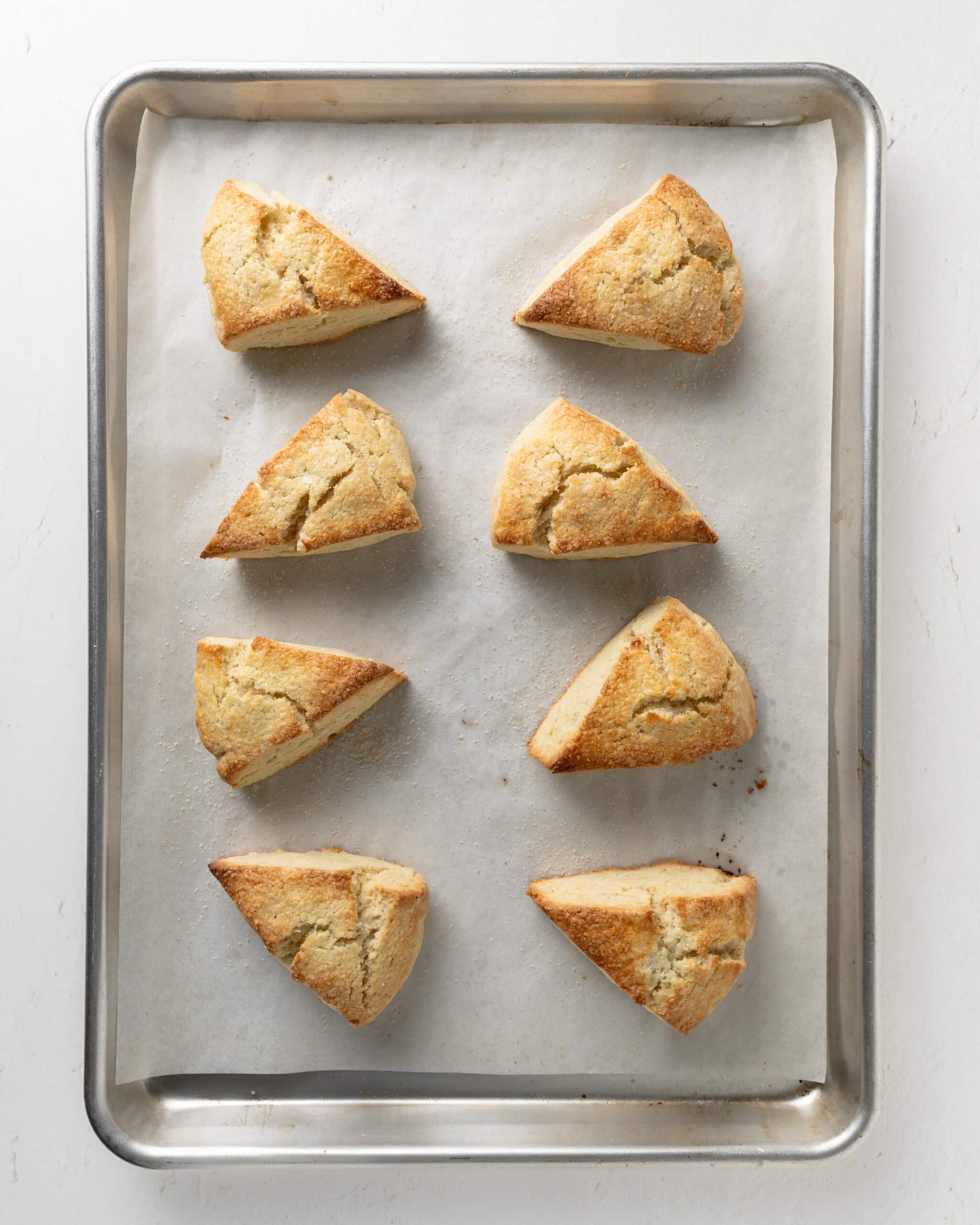
- Step 12: Bake the scones. Place the baking sheet in the preheated oven at 400°F, and bake for 20 minutes, or until the scones are beautifully golden brown.
Storage
- Baked scones (1-2 days): These buttery scones are always best enjoyed fresh and warm from the oven. If you have any leftovers, wrap each individual cooled scone in plastic wrap, then place the scones in an airtight container at room temperature.
- Reheating: You can reheat the scones in the microwave for 8-12 seconds, or until warm.
- Freezing unbaked scones (up to 3 months): For the freshest results, it's best to freeze the unbaked scone dough. This allows you to have warm, flaky scones anytime. Place the cut, unbaked scone wedges on a parchment-lined baking sheet, leaving space between each one. Freeze them for about 30 minutes, or until they are firm to the touch. Once frozen solid, transfer the scones to a freezer-safe bag or airtight container. They can be stored for up to 3 months. When you're ready to bake, there's no need to thaw them! Simply place the frozen scones directly on a baking tray, brush with an egg wash, and bake as the recipe directs. You may need to add a few extra minutes to the baking time.
More Gluten-Free Scone Recipes
- Gluten Free Blueberry Scones
- Gluten Free Chocolate Chip Scones
- Gluten Free Cheddar and Chive Scones
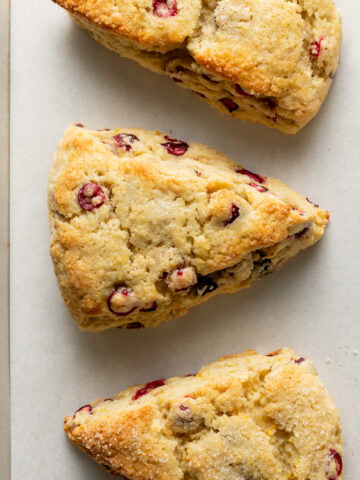
- Gluten Free Cranberry Orange Scones
I hope you love this delicious gluten-free scone recipe as much as I do! If you make it, I’d love to hear how it turned out in the comment box below. Your review will help other readers in the community.
Recipe
Gluten Free Scones Recipe
This classic gluten-free scone recipe creates a rich, tender crumb with a crisp, golden exterior. They're perfect on their own or with your favorite mix-ins, making them a delightful treat to enjoy with a warm cup of tea or morning coffee.
Ingredients
Gluten Free Scones
- 2 cups (272g) gluten-free flour (Bob's Red Mill 1 to 1 Baking Flour)
- ¼ cup (50g) granulated sugar, plus additional for sprinkling on top
- 1 tablespoon baking powder
- ½ teaspoon salt
- 8 tablespoons (113g) frozen butter, grated or diced (see notes)
- ½ cup (120g) sour cream
- 4 tablespoons (60ml) heavy cream
- 1 large egg
Egg Wash
- 1 large egg
- ½ tablespoon (7ml) heavy cream
Instructions
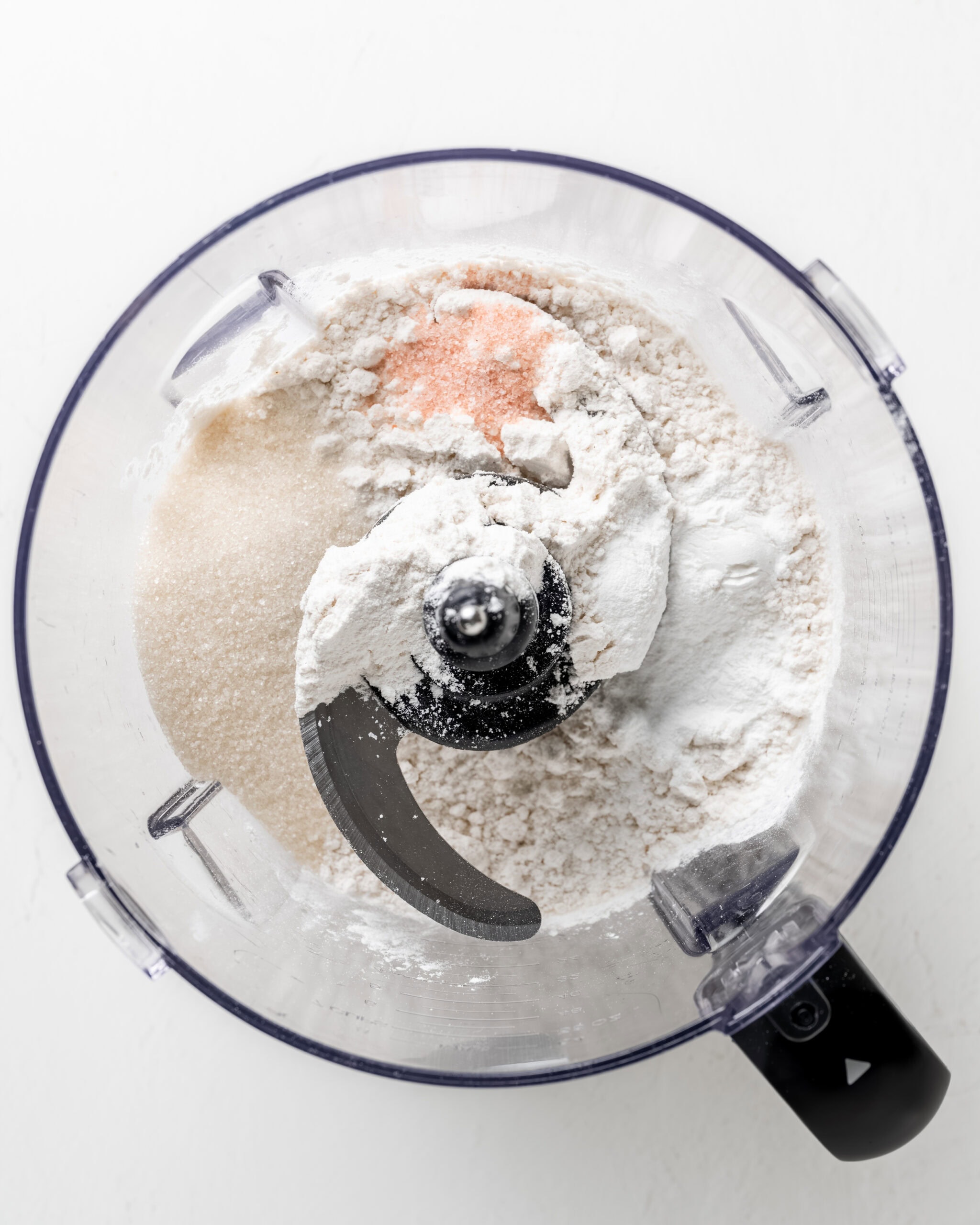
- Combine the dry ingredients. In a large bowl, whisk together the gluten-free flour, sugar, baking powder, and salt until well-mixed. If you're using a food processor, add the dry ingredients to the bowl and pulse a few times to combine.
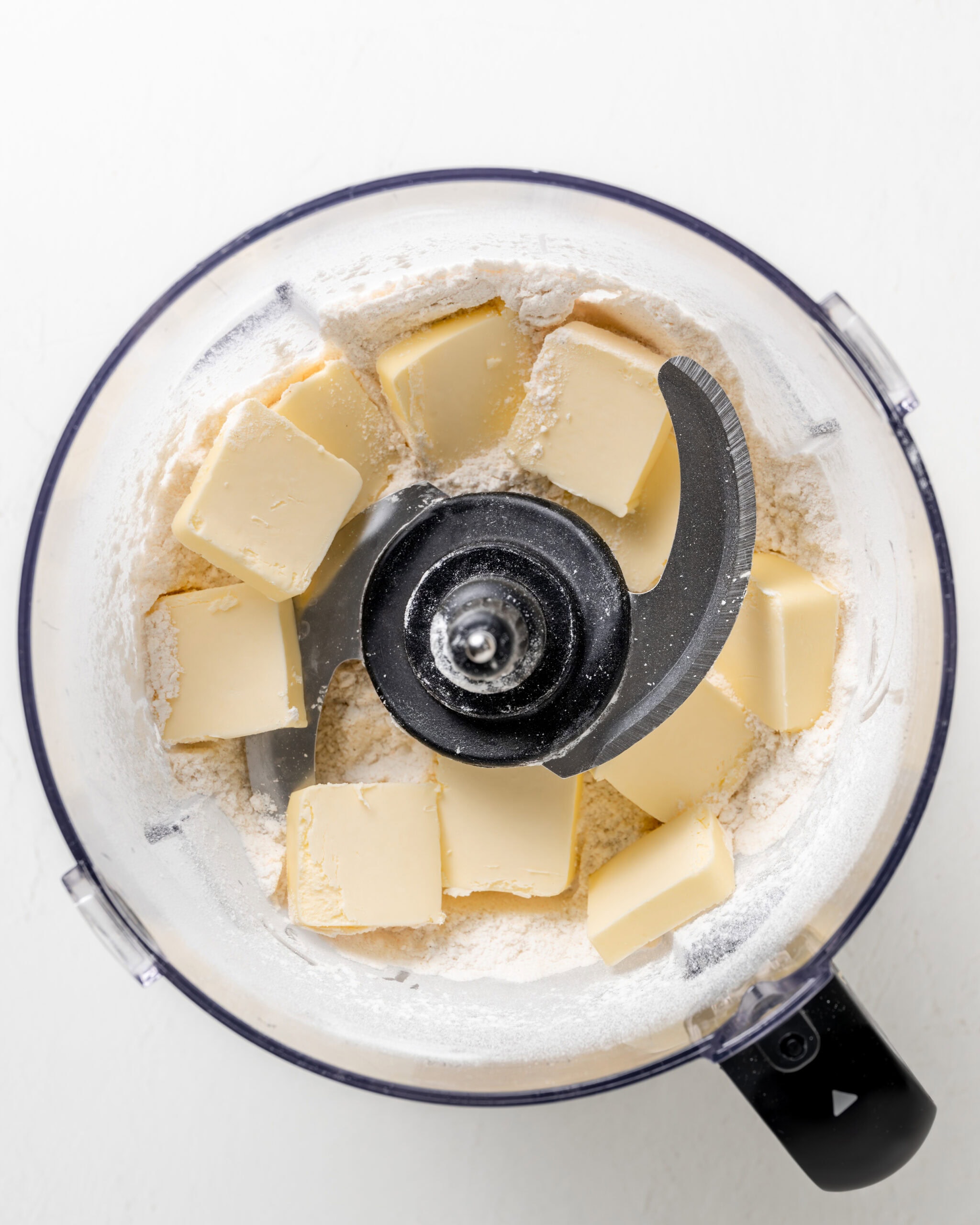
- Add the frozen butter. Next, grate the frozen butter on a box grater and add it to the flour mixture. Using a pastry blender or two forks, quickly work the butter in until the mixture resembles coarse crumbs. For a food processor, add diced frozen butter to the bowl and pulse until coarse crumbs form.
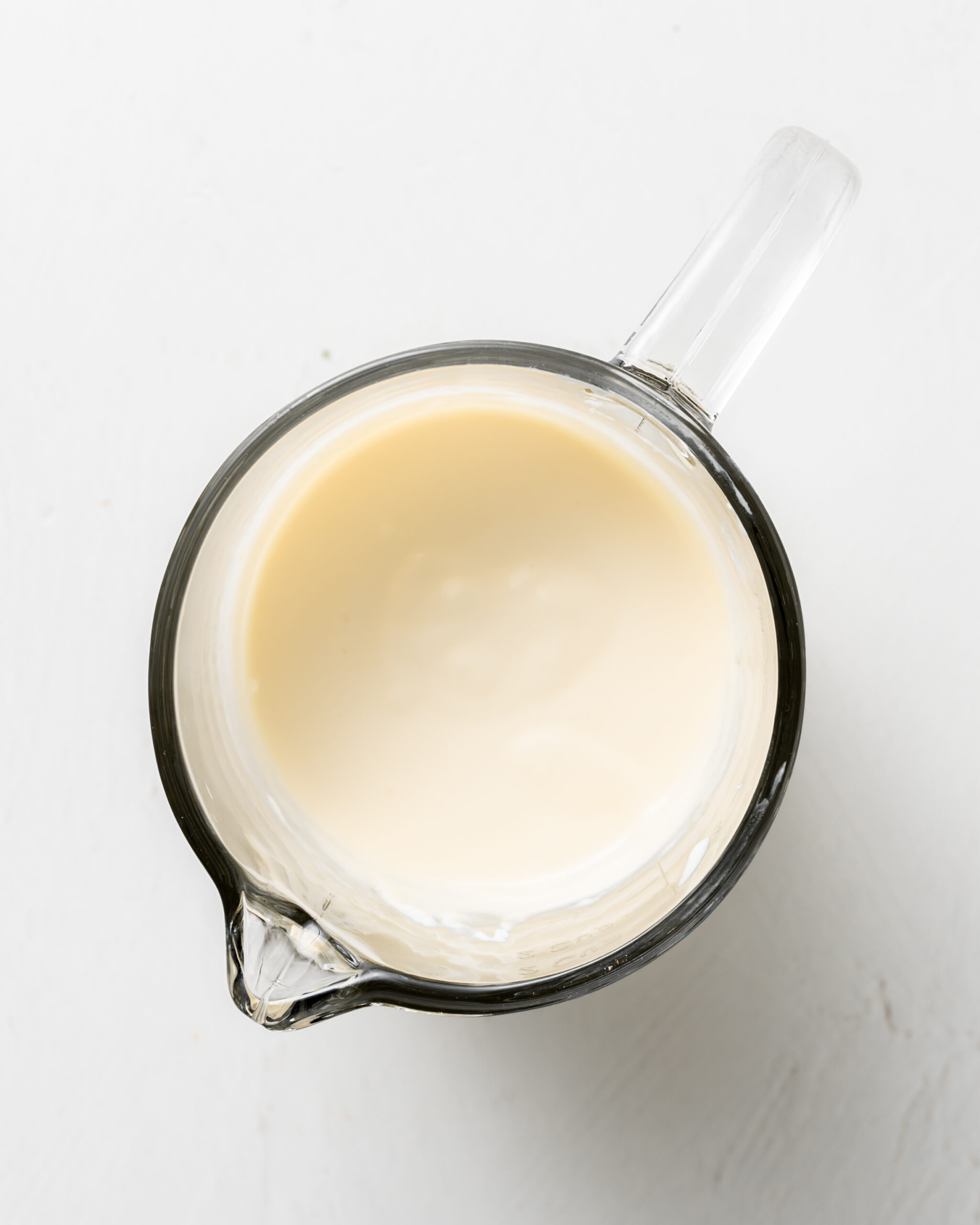
- Whisk the wet ingredients. In a separate bowl, whisk the sour cream, one large egg, and heavy cream until well combined.
- Create a well in the center of the flour mixture. If you used a food processor, pour the contents into a large bowl before creating the well. Pour the sour cream mixture into the well.
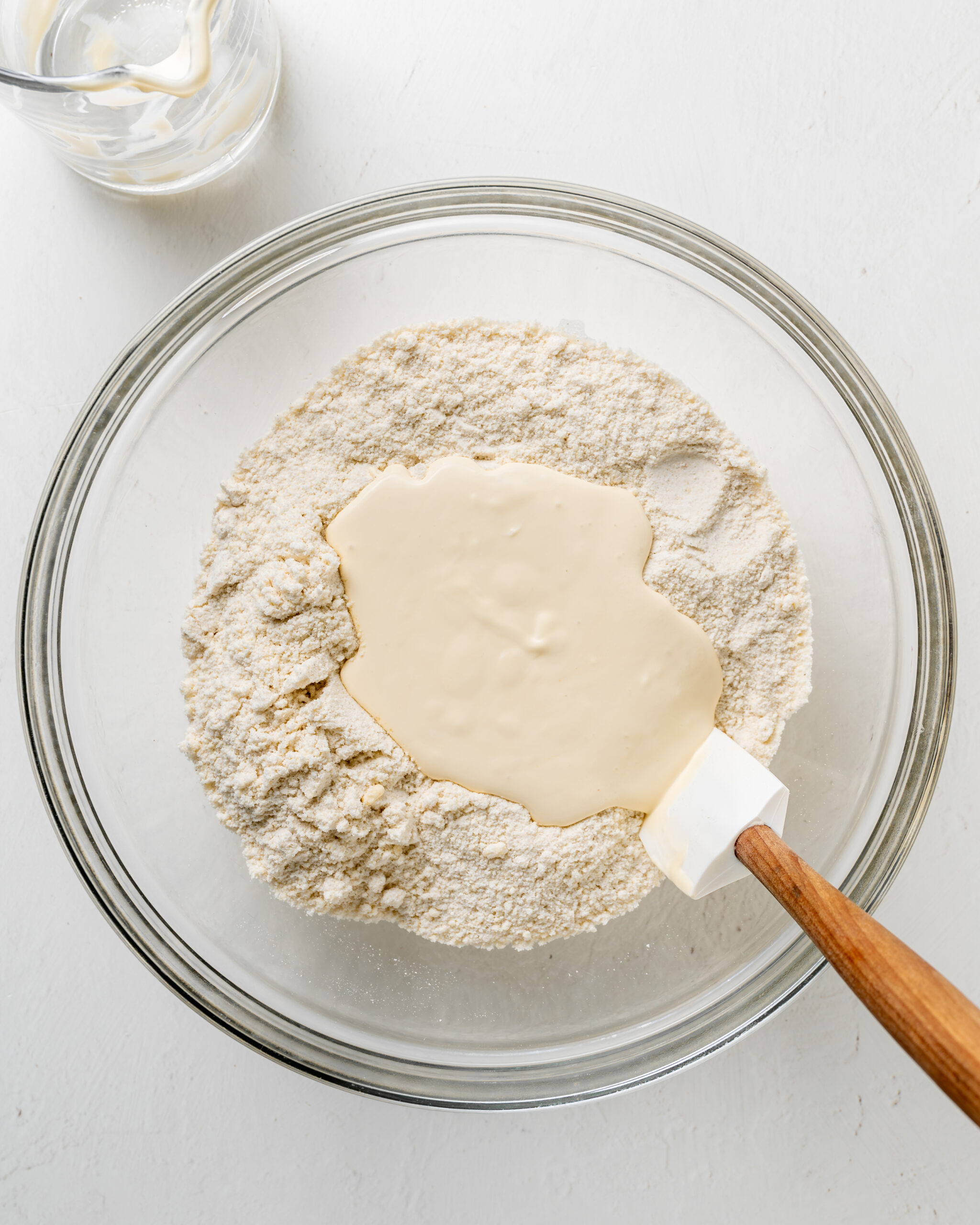
- Stir the ingredients. Using a rubber spatula, gently stir just until a shaggy, crumbly dough forms. Don't worry if it looks very loose or has some dry bits at the bottom of the bowl; as long as the dough holds together when you pinch it, you're on the right track. It's important not to overmix.
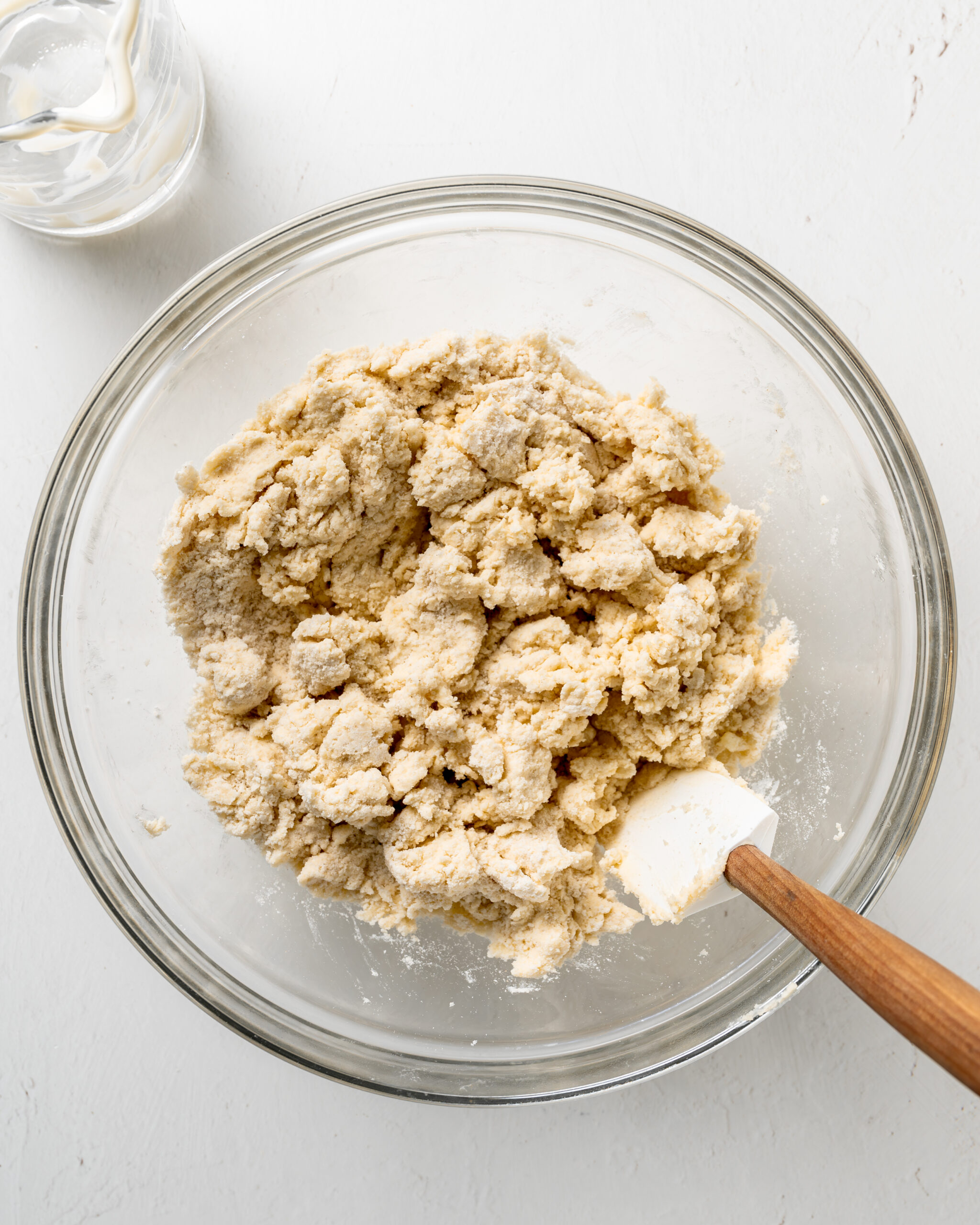
- Bring the dough together. Lightly flour your work surface and turn the dough out onto it. With floured hands, gently knead the dough just until it holds together. Be careful not to overwork it, as this can make the scones tough.
- Shape the dough. Lightly pat the dough into a 7x5-inch rectangle. Cut the dough in half vertically with a knife or bench scraper. I prefer using a bench scraper, as it makes it easy to cut and lift the dough without warming it up too much.
- Create flaky layers by laminating the dough. Stack the pieces on top of each other. Turn the dough 90 degrees and press down gently to flatten it back into a 7x5-inch rectangle. If the dough starts to feel sticky at any point, add a light dusting of flour to your hands or work surface.
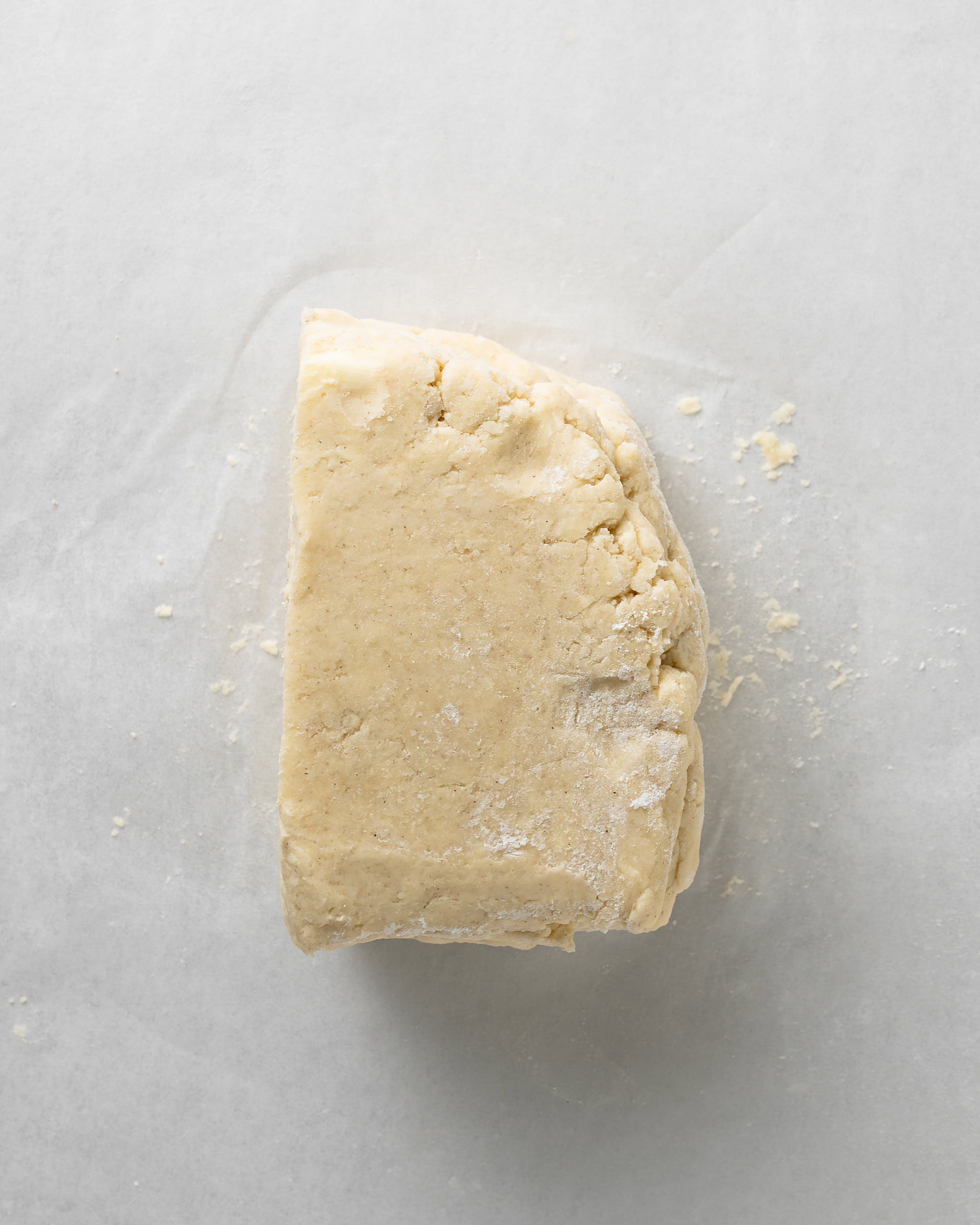
- Repeat lamination. Repeat this entire process of cutting, stacking, and rotating for a total of four repetitions.
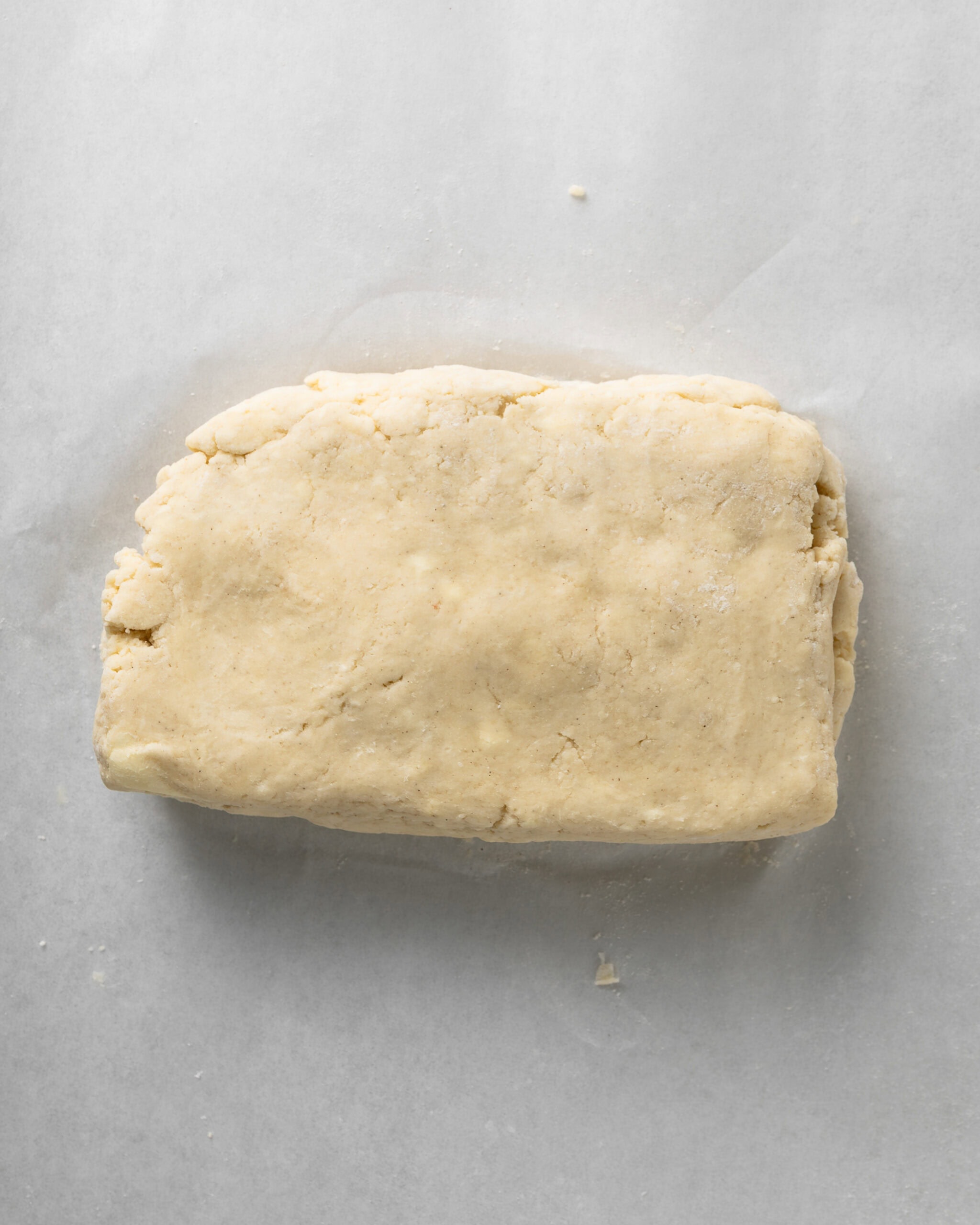
- Shape and chill the dough. With your hands, gently pat the dough into a 7-inch disk, aiming for a thickness of about 1 inch. Be sure not to go thinner than ¾ inch, or your scones may turn out flat. Once shaped, wrap the disk tightly in plastic wrap and place it in the refrigerator to chill for at least 30 minutes. Chilling the dough is essential, as it helps the gluten-free flour absorb the liquid, resulting in a less gritty texture in the final scones.
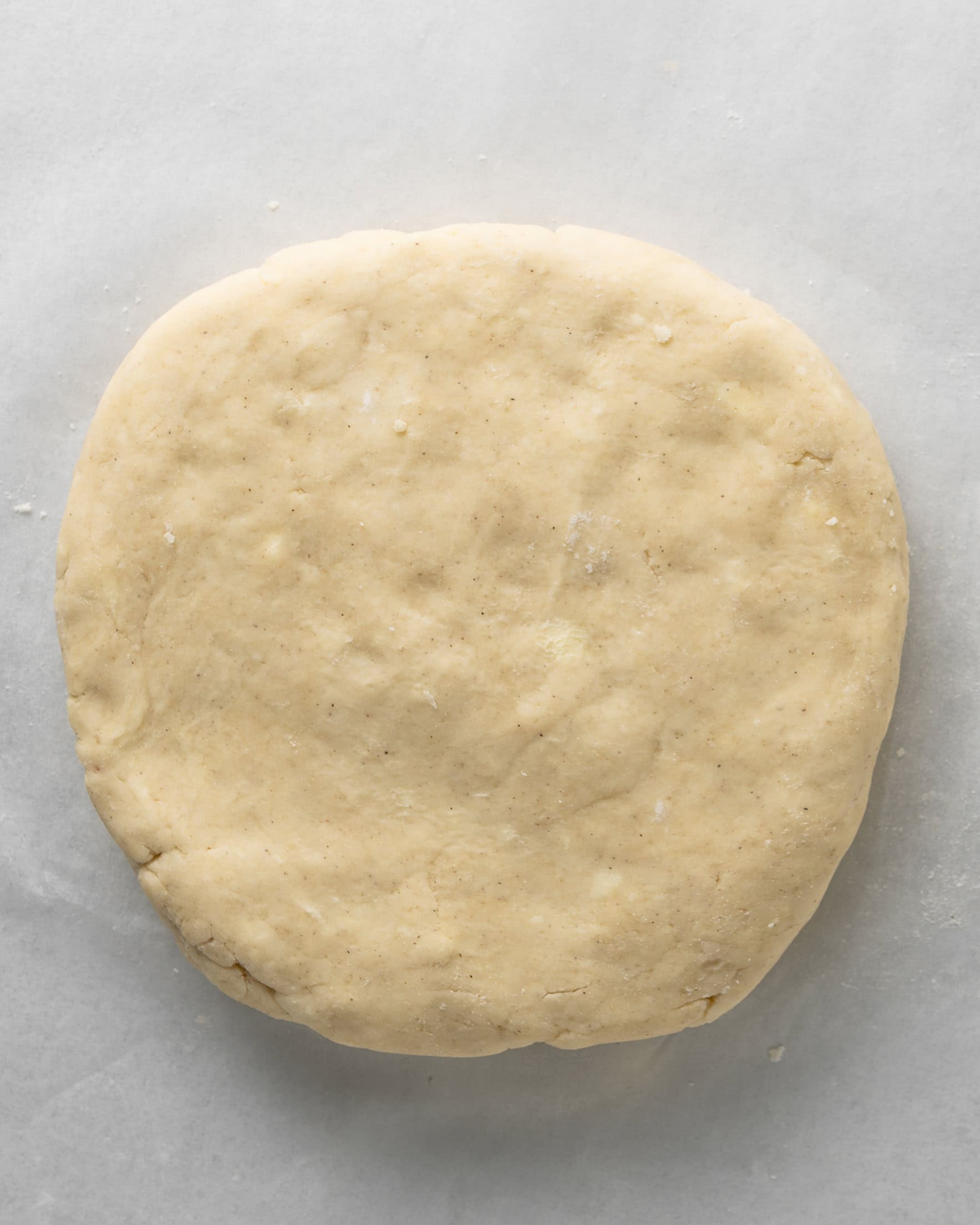
- Cut the scones. After chilling, remove the dough from the refrigerator. With a sharp knife or pastry cutter, slice the disk into 8 triangular wedges. For the best rise and a clean cut, wipe the knife clean after each slice and press straight down through the dough—don't twist it. Freeze the scones and preheat the oven. Arrange the cut scone wedges on a parchment-lined baking sheet, leaving a few inches of space between each one. Place the baking sheet in the freezer for 30 minutes to chill. While the scones are chilling, preheat your oven to 400°F. This final chill is crucial for a flaky, high-rising scone because it ensures the butter is very cold before baking.
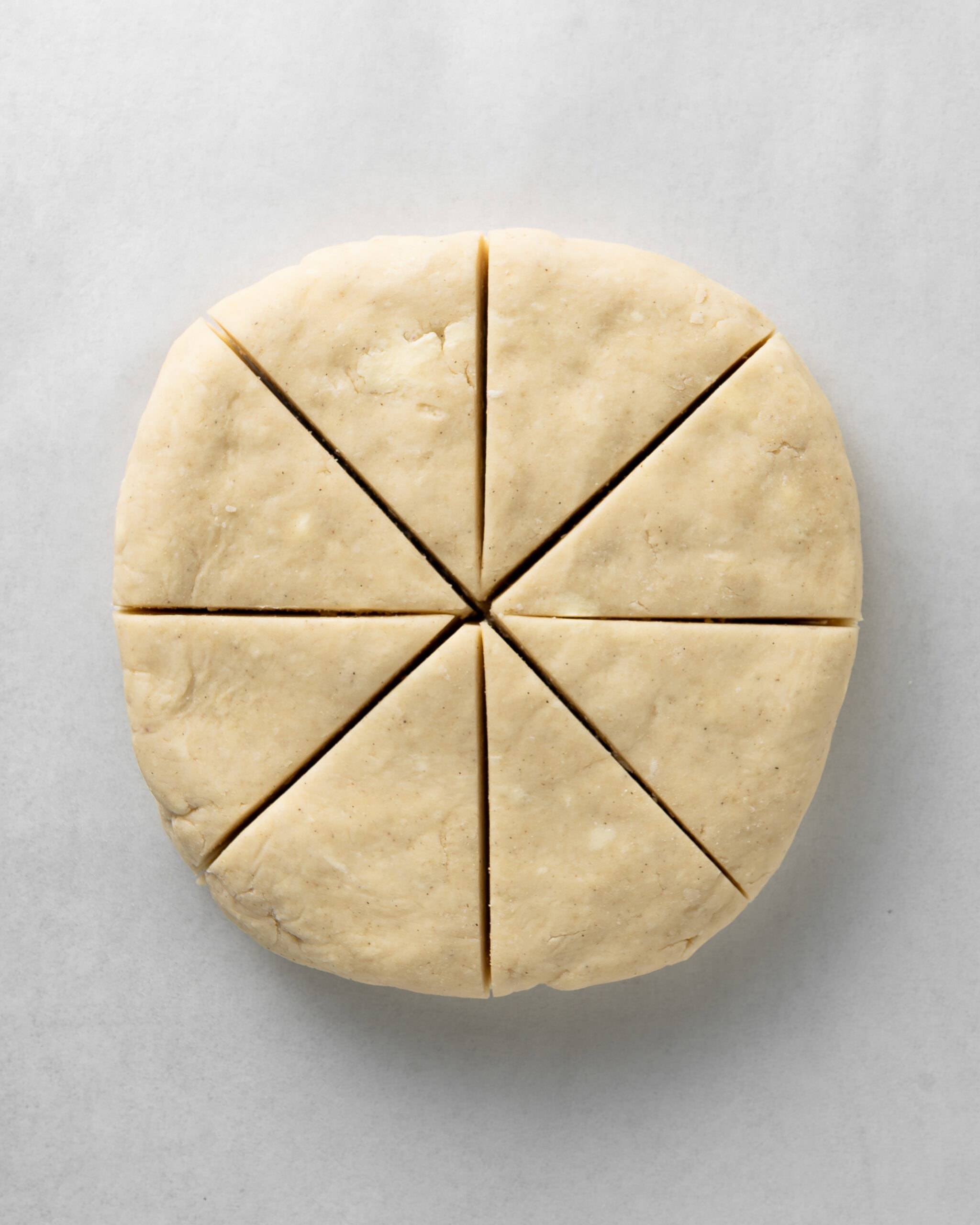
- Prepare the egg wash. Once the scones have chilled for 30 minutes, remove them from the freezer. In a separate, small bowl, whisk together a large egg and a splash of heavy cream. This egg wash will help the scones achieve a beautiful, glossy golden brown top as they bake.
- Add the egg wash and sugar. Using a pastry brush, brush the tops of the scones with the egg wash. Be careful to avoid drips on the sides, as this can prevent a good rise. Then, sprinkle the tops with granulated sugar.
- Now it's time to bake! Place the baking sheet in the preheated oven and bake for 20 minutes, or until the scones are a beautiful golden brown. To test for doneness, you can insert a toothpick into the center—it should come out clean—or use an instant-read thermometer, which should read at least 200°F. Once baked, remove the scones from the oven and transfer them to a wire rack. Let them cool for at least 30 minutes before serving.
Notes
Frozen Butter:
To achieve the flakiest texture, place the butter in the freezer for at least 20 minutes before you begin. Once frozen, you can either grate it into the flour mixture or dice it and pulse it in a food processor.
Nutrition
Calories: 301kcalCarbohydrates: 30gProtein: 5gFat: 19gSaturated Fat: 11gPolyunsaturated Fat: 1gMonounsaturated Fat: 5gTrans Fat: 0.5gCholesterol: 95mgSodium: 261mgPotassium: 198mgFiber: 3gSugar: 8gVitamin A: 631IUVitamin C: 0.2mgCalcium: 116mgIron: 1mg
Did You Enjoy This Recipe?Please give it a star rating in the comments below. Thank you!
Pin Recipe
Did You Make This Recipe?Share your recipe photos with me @rebecca.taig

Comments
No Comments